7 Innovative Concrete Surface Treatments to Enhance Durability and Aesthetics
Plain, gray concrete does one job incredibly well: it provides functional, durable strength. But in modern design, functional is no longer enough. Architects, designers, and property owners now demand surfaces that are not only strong but also visually stunning, easy to maintain, and tailored to their specific use case.
Fortunately, raw concrete is just the canvas. A wide range of innovative surface treatments can transform a utilitarian slab into a high-performance, aesthetically pleasing floor or surface. These treatments aren’t just cosmetic; they fundamentally change the surface of the concrete to improve its hardness, stain resistance, and longevity.
Here are seven of the most effective and popular concrete surface treatments available today.
1. Polished Concrete
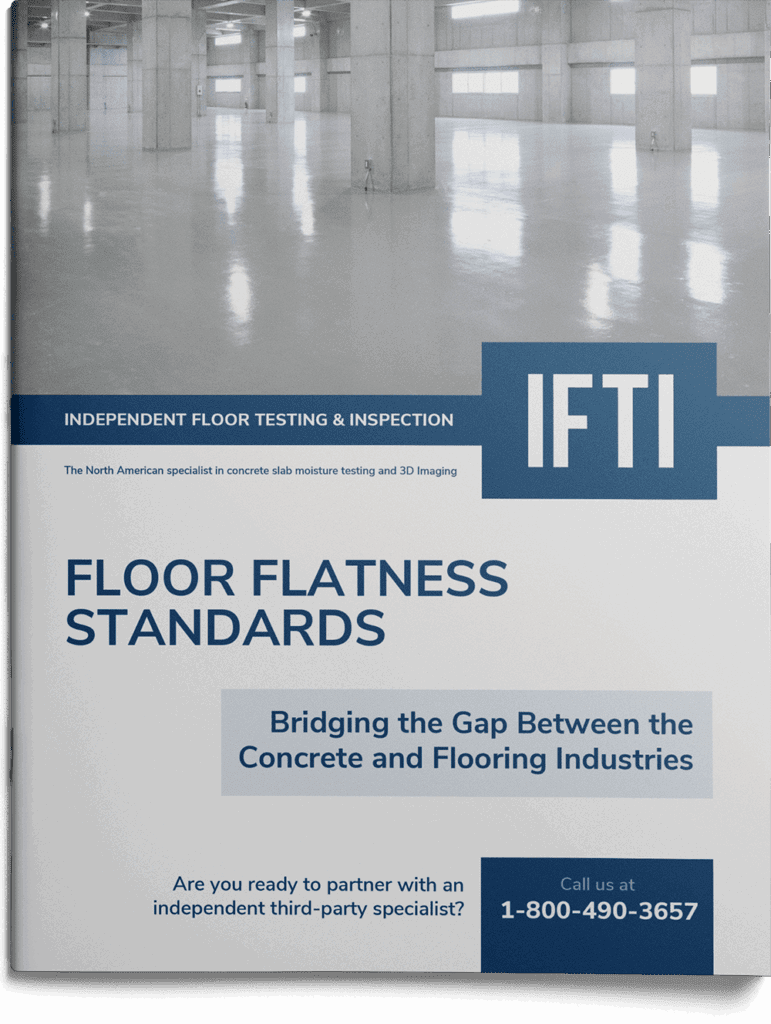
Perhaps the most sought-after finish for modern commercial and high-end residential spaces, polished concrete is a multi-step process that mechanically grinds, hones, and polishes the concrete surface with progressively finer diamond-tooled abrasives.
- Durability: The polishing process also involves applying a chemical hardener (or densifier) that penetrates the concrete, creating a surface that is incredibly dense, abrasion-resistant, and less porous.
- Aesthetics: It delivers a high-gloss, mirror-like finish that reflects light and makes spaces feel brighter and more open. The level of aggregate exposure can be controlled, from a smooth, creamy look to a salt-and-pepper or even a full aggregate exposure that resembles terrazzo.
- Best For: Retail stores, warehouses, showrooms, restaurants, and modern homes.
2. Penetrating Sealers (Densifiers & Hardeners)
While used in polishing, densifiers are also a powerful standalone treatment focused purely on durability. These liquid chemical hardeners, typically lithium, sodium, or potassium silicates, are sprayed onto the concrete and trigger a chemical reaction with the free lime in the slab.
- Durability: This reaction creates additional Calcium Silicate Hydrate (C-S-H)—the same compound that gives concrete its strength—within the pores of the surface. The result is a harder, denser, and dust-proof surface that is much more resistant to wear and tear.
- Aesthetics: They provide a subtle satin sheen without creating a topical film, maintaining the natural look of the concrete.
- Best For: Industrial warehouses, distribution centers, and any high-traffic area where preventing dust and increasing surface hardness is the primary goal.
3. Epoxy and Polyaspartic Coatings
These are two-part resinous systems that form a thick, hard, and highly durable film on top of the concrete. They are the go-to solution for creating a seamless, chemical-resistant, and decorative floor.
- Durability: Unmatched in their resistance to chemical spills (oil, gas, solvents), impacts, and abrasion. Polyaspartic coatings are a newer formulation that cures much faster and is UV-stable, meaning it won’t turn yellow in sunlight like traditional epoxies.
- Aesthetics: Available in an endless array of solid colors, or they can be combined with decorative elements like metallic pigments or vinyl flakes to create unique, multi-dimensional floors.
- Best For: Auto garages, laboratories, hospitals, commercial kitchens, and showrooms.
4. Concrete Stains and Dyes
For pure, customized color, stains and dyes are the perfect choice. They penetrate the surface to provide long-lasting color without creating a thick film that can chip or peel.
- Acid Stains: React chemically with the concrete to create rich, variegated, and earth-toned colors with a unique marbled effect. No two acid-stained floors are alike.
- Water-Based Dyes: These are non-reactive and provide more vibrant and predictable color by seeping into the concrete’s pores. They come in a much wider and bolder color palette than acid stains.
- Best For: Achieving a custom decorative look on interior floors, patios, and walkways where a more natural, translucent color is desired.
5. Overlays and Microtoppings
Think of these as a do-over for your concrete. An overlay is a thin, polymer-modified cementitious layer that is applied over an existing, prepared slab to cover imperfections, repair damage, or provide a fresh decorative surface.
- Durability: Modern overlays are incredibly strong and bond tenaciously to the concrete below, creating a new surface that is often stronger and more resistant to damage than the original.
- Aesthetics: Because it’s a new canvas, it can be stamped, stained, dyed, or polished to achieve almost any desired look. Microtoppings are even thinner versions used for exceptionally smooth, troweled finishes.
- Best For: Restoring old, worn, or stained concrete floors without the massive expense of demolition and replacement.
6. Stamped Concrete
Primarily used for exterior applications, stamped concrete is the art of pressing three-dimensional patterns into fresh concrete.
- Aesthetics: It can realistically mimic the look of more expensive materials like natural stone, slate, brick, pavers, or even wood planking.
- Durability: It offers all the inherent strength and longevity of a standard concrete slab, but with a high-end decorative finish.
- Best For: Patios, pool decks, driveways, and walkways.
7. Shot Blasting & Diamond Grinding
While technically methods of surface preparation, the precision and innovation in this equipment make them a key part of modern surface treatments. These processes remove the top layer of concrete to create a specific Concrete Surface Profile (CSP).
- Durability: Creating the correct CSP is essential for ensuring that coatings like epoxy and overlays form a permanent mechanical bond with the slab. Without proper preparation, even the best coatings will fail.
- Aesthetics: Diamond grinding is the first step in the concrete polishing process and is what determines the level of aggregate exposure.
- Best For: The critical first step for almost any professional coating or overlay application.
The Foundation of a Flawless Finish
No matter which innovative treatment you choose, its success and longevity depend entirely on the condition of the concrete slab underneath. A coating or overlay applied to a slab with underlying moisture issues will inevitably fail—leading to peeling, bubbling, and delamination.
Before investing in a high-end finish, it is crucial to perform professional concrete moisture testing. At IFTI, we use scientifically proven methods to measure a slab’s moisture vapor emission rate and internal relative humidity, giving you the certainty that your surface is ready for its new finish.
Don’t let your beautiful new surface fail. Contact IFTI to ensure your concrete is primed for perfection.
Plain, gray concrete does one job incredibly well: it provides functional, durable strength. But in modern design, functional is no longer enough. Architects, designers, and property owners now demand surfaces that are not only strong but also visually stunning, easy to maintain, and tailored to their specific use case.
Fortunately, raw concrete is just the canvas. A wide range of innovative surface treatments can transform a utilitarian slab into a high-performance, aesthetically pleasing floor or surface. These treatments aren’t just cosmetic; they fundamentally change the surface of the concrete to improve its hardness, stain resistance, and longevity.
Here are seven of the most effective and popular concrete surface treatments available today.
1. Polished Concrete
Perhaps the most sought-after finish for modern commercial and high-end residential spaces, polished concrete is a multi-step process that mechanically grinds, hones, and polishes the concrete surface with progressively finer diamond-tooled abrasives.
- Durability: The polishing process also involves applying a chemical hardener (or densifier) that penetrates the concrete, creating a surface that is incredibly dense, abrasion-resistant, and less porous.
- Aesthetics: It delivers a high-gloss, mirror-like finish that reflects light and makes spaces feel brighter and more open. The level of aggregate exposure can be controlled, from a smooth, creamy look to a salt-and-pepper or even a full aggregate exposure that resembles terrazzo.
- Best For: Retail stores, warehouses, showrooms, restaurants, and modern homes.
2. Penetrating Sealers (Densifiers & Hardeners)
While used in polishing, densifiers are also a powerful standalone treatment focused purely on durability. These liquid chemical hardeners, typically lithium, sodium, or potassium silicates, are sprayed onto the concrete and trigger a chemical reaction with the free lime in the slab.
- Durability: This reaction creates additional Calcium Silicate Hydrate (C-S-H)—the same compound that gives concrete its strength—within the pores of the surface. The result is a harder, denser, and dust-proof surface that is much more resistant to wear and tear.
- Aesthetics: They provide a subtle satin sheen without creating a topical film, maintaining the natural look of the concrete.
- Best For: Industrial warehouses, distribution centers, and any high-traffic area where preventing dust and increasing surface hardness is the primary goal.
3. Epoxy and Polyaspartic Coatings
These are two-part resinous systems that form a thick, hard, and highly durable film on top of the concrete. They are the go-to solution for creating a seamless, chemical-resistant, and decorative floor.
- Durability: Unmatched in their resistance to chemical spills (oil, gas, solvents), impacts, and abrasion. Polyaspartic coatings are a newer formulation that cures much faster and is UV-stable, meaning it won’t turn yellow in sunlight like traditional epoxies.
- Aesthetics: Available in an endless array of solid colors, or they can be combined with decorative elements like metallic pigments or vinyl flakes to create unique, multi-dimensional floors.
- Best For: Auto garages, laboratories, hospitals, commercial kitchens, and showrooms.
4. Concrete Stains and Dyes
For pure, customized color, stains and dyes are the perfect choice. They penetrate the surface to provide long-lasting color without creating a thick film that can chip or peel.
- Acid Stains: React chemically with the concrete to create rich, variegated, and earth-toned colors with a unique marbled effect. No two acid-stained floors are alike.
- Water-Based Dyes: These are non-reactive and provide more vibrant and predictable color by seeping into the concrete’s pores. They come in a much wider and bolder color palette than acid stains.
- Best For: Achieving a custom decorative look on interior floors, patios, and walkways where a more natural, translucent color is desired.
5. Overlays and Microtoppings
Think of these as a do-over for your concrete. An overlay is a thin, polymer-modified cementitious layer that is applied over an existing, prepared slab to cover imperfections, repair damage, or provide a fresh decorative surface.
- Durability: Modern overlays are incredibly strong and bond tenaciously to the concrete below, creating a new surface that is often stronger and more resistant to damage than the original.
- Aesthetics: Because it’s a new canvas, it can be stamped, stained, dyed, or polished to achieve almost any desired look. Microtoppings are even thinner versions used for exceptionally smooth, troweled finishes.
- Best For: Restoring old, worn, or stained concrete floors without the massive expense of demolition and replacement.
6. Stamped Concrete
Primarily used for exterior applications, stamped concrete is the art of pressing three-dimensional patterns into fresh concrete.
- Aesthetics: It can realistically mimic the look of more expensive materials like natural stone, slate, brick, pavers, or even wood planking.
- Durability: It offers all the inherent strength and longevity of a standard concrete slab, but with a high-end decorative finish.
- Best For: Patios, pool decks, driveways, and walkways.
7. Shot Blasting & Diamond Grinding
While technically methods of surface preparation, the precision and innovation in this equipment make them a key part of modern surface treatments. These processes remove the top layer of concrete to create a specific Concrete Surface Profile (CSP).
- Durability: Creating the correct CSP is essential for ensuring that coatings like epoxy and overlays form a permanent mechanical bond with the slab. Without proper preparation, even the best coatings will fail.
- Aesthetics: Diamond grinding is the first step in the concrete polishing process and is what determines the level of aggregate exposure.
- Best For: The critical first step for almost any professional coating or overlay application.
The Foundation of a Flawless Finish
No matter which innovative treatment you choose, its success and longevity depend entirely on the condition of the concrete slab underneath. A coating or overlay applied to a slab with underlying moisture issues will inevitably fail—leading to peeling, bubbling, and delamination.
Before investing in a high-end finish, it is crucial to perform professional concrete moisture testing. At IFTI, we use scientifically proven methods to measure a slab’s moisture vapor emission rate and internal relative humidity, giving you the certainty that your surface is ready for its new finish.
Don’t let your beautiful new surface fail. Contact IFTI to ensure your concrete is primed for perfection.
Ready to master every aspect of concrete moisture and surface protection? Explore our full collection of expert tools and industry insights in our Resources hub.